From CAD to Code:
A Practical Guide to Python for Architects
From CAD to Code:
A Practical Guide to Python for Architects
15+
Hours of Learning Content
15+
Hours of Learning Content
50+
Real world code examples
50+
Real world code examples
$0
Yep, it's completely free
$0
Yep, it's completely free
1
Office Hour per Week
1
Office Hour per Week
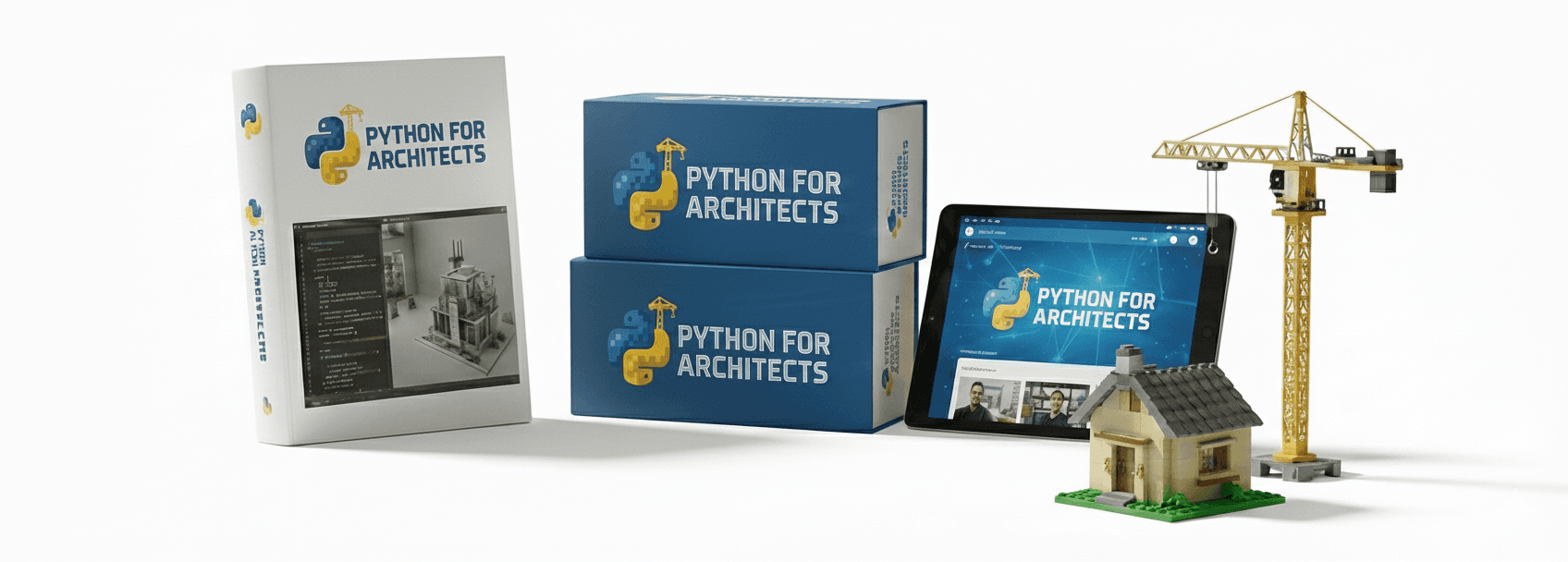
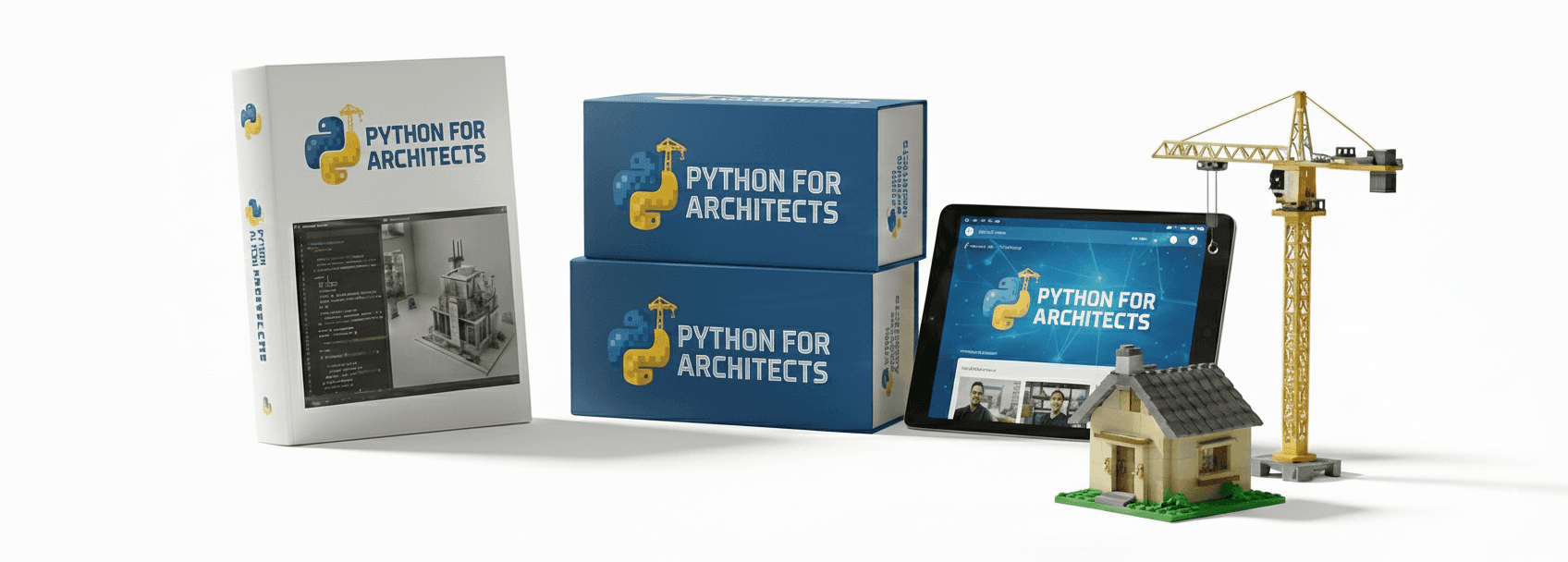
15+
Hours of Learning Content
50+
Real world code examples
$0
Yep, it's completely free
1
Office Hour per Week
Built and Taught by an Architect
Built and Taught by an Architect
Hi, I’m Prajwal — a practicing architect working at the intersection of design, computation, and real-world delivery.
I use Python daily inside AEC workflows:
Revit automation, Grasshopper scripting, tool-building, and production problem-solving.
Hi, I’m Prajwal — a practicing architect working at the intersection of design, computation, and real-world delivery.
I use Python daily inside AEC workflows:
Revit automation, Grasshopper scripting, tool-building, and production problem-solving.
After immersing myself in the culture and developing my own learning techniques, I became fluent in just 18 months. This experience inspired me to create a learning system that combines cultural context, practical usage, and an immersive approach.

This course exists because I couldn’t find a resource that taught me Python while keeping an architect in mind — so I built the one I wish I had.
No academic abstractions.
No bootcamp energy.
Just practical computational thinking for architects.
Hi, I’m Prajwal — a practicing architect working at the intersection of design, computation, and real-world delivery.
I use Python daily inside AEC workflows:
Revit automation, Grasshopper scripting, tool-building, and production problem-solving.
After immersing myself in the culture and developing my own learning techniques, I became fluent in just 18 months. This experience inspired me to create a learning system that combines cultural context, practical usage, and an immersive approach.
This course exists because I couldn’t find a resource that taught me Python while keeping an architect in mind — so I built the one I wish I had.
No academic abstractions.
No bootcamp energy.
Just practical computational thinking for architects.
Why Learn Python
Why Learn Python
10X Architect
Use Python to replace repetitive clicks with systems, automation, and clearer thinking — working smarter, not harder.

10X Architect
Use Python to replace repetitive clicks with systems, automation, and clearer thinking — working smarter, not harder.
Automate Repetitive Work
Replace manual, error-prone tasks in Revit and BIM workflows with reliable, rule-based automation.
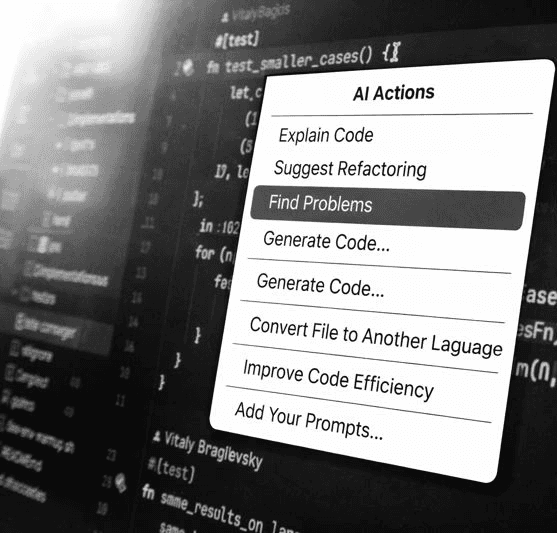
Automate Repetitive Work
Replace manual, error-prone tasks in Revit and BIM workflows with reliable, rule-based automation.
Build Your Own Tools
Move beyond one-off scripts and start creating reusable tools that fit your studio’s standards and workflows.
Build Your Own Tools
Move beyond one-off scripts and start creating reusable tools that fit your studio’s standards and workflows.
10X Architect
Use Python to replace repetitive clicks with systems, automation, and clearer thinking — working smarter, not harder.
Automate Repetitive Work
Replace manual, error-prone tasks in Revit and BIM workflows with reliable, rule-based automation.
Build Your Own Tools
Move beyond one-off scripts and start creating reusable tools that fit your studio’s standards and workflows.
Roadmap to becoming dangerous in Python
Roadmap to becoming dangerous in Python
The course is structured into 10 focused chapters.
Each chapter includes short videos with explanations, practical examples, and lessons drawn from real AEC work — not theory.
Some chapters include bonus references, example scripts, and workflow notes you can reuse in practice.
You can move through the material at your own pace — you’ll always have access.
01: Getting Started with Python
02: Variables, Data Types & Expressions
03: Working with Strings
04: Lists & Collections
05: Control Flow — Decisions
06: Loops — Repeating Work
07: Functions — Reusable Code
08: Dictionaries — Working with Structured Data
09: Files & Data Input/Output
10: Errors, Debugging & Good Practices
01: Getting Started with Python
02: Variables, Data Types & Expressions
03: Working with Strings
04: Lists & Collections
05: Control Flow — Decisions
06: Loops — Repeating Work
07: Functions — Reusable Code
08: Dictionaries — Working with Structured Data
09: Files & Data Input/Output
10: Errors, Debugging & Good Practices
01: Getting Started with Python
02: Variables, Data Types & Expressions
03: Working with Strings
04: Lists & Collections
05: Control Flow — Decisions
06: Loops — Repeating Work
07: Functions — Reusable Code
08: Dictionaries — Working with Structured Data
09: Files & Data Input/Output
10: Errors, Debugging & Good Practices
What Python Changes in Daily Work
What Python Changes in Daily Work
Reduce Errors at Scale
Use Python to apply rules consistently across entire models, catching mistakes early and avoiding manual slip-ups that show up late in the project.
Reduce Errors at Scale
Use Python to apply rules consistently across entire models, catching mistakes early and avoiding manual slip-ups that show up late in the project.
Standardize Workflows
Encode your studio’s standards into scripts so every project starts clean, stays consistent, and doesn’t depend on who touched the model last.
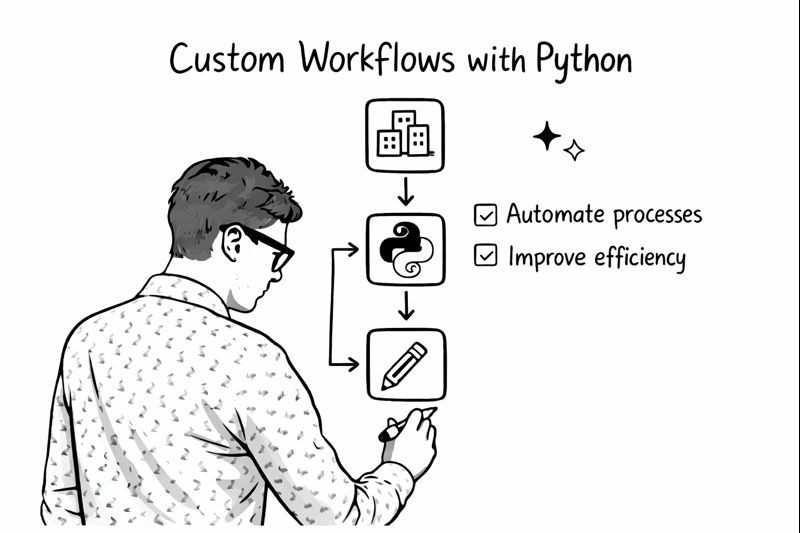
Standardize Workflows
Encode your studio’s standards into scripts so every project starts clean, stays consistent, and doesn’t depend on who touched the model last.
Work Faster Under Deadlines
When time is tight, automation becomes a safety net — letting you make late changes, re-run tasks, and deliver confidently without panic.
Work Faster Under Deadlines
When time is tight, automation becomes a safety net — letting you make late changes, re-run tasks, and deliver confidently without panic.
Reduce Errors at Scale
Use Python to apply rules consistently across entire models, catching mistakes early and avoiding manual slip-ups that show up late in the project.
Standardize Workflows
Encode your studio’s standards into scripts so every project starts clean, stays consistent, and doesn’t depend on who touched the model last.
Work Faster Under Deadlines
When time is tight, automation becomes a safety net — letting you make late changes, re-run tasks, and deliver confidently without panic.
Discover more in our FAQs
Discover more in our FAQs
Do I need any prior coding experience?
No. The course assumes zero programming background and starts from first principles, explained in architectural terms.
How is this different from learning Python on YouTube?
Is this about becoming a software developer?
How technical does it get?
Can I apply this directly to my office work?
Do I need any prior coding experience?
No. The course assumes zero programming background and starts from first principles, explained in architectural terms.
How is this different from learning Python on YouTube?
Is this about becoming a software developer?
How technical does it get?
Can I apply this directly to my office work?
Do I need any prior coding experience?
No. The course assumes zero programming background and starts from first principles, explained in architectural terms.
How is this different from learning Python on YouTube?
Is this about becoming a software developer?
How technical does it get?
Can I apply this directly to my office work?